Blog & Resources
Tree Care Advice for the Grand Valley
Straightforward, practical guidance on caring for your trees, spotting problems early and knowing when to call a professional.
Practical Tree Care Topics
The Top Notch Trees blog is a resource for Grand Junction and Grand Valley property owners who want to understand common tree care decisions before requesting service. The articles do not replace an estimate or site review, but they can help you describe what you are seeing and ask better questions.
Topics include warning signs that may point toward tree removal, the difference between tree trimming and pruning, what to do after storm damage, how stump grinding differs from complete stump removal, why fire mitigation matters and how seasonal timing affects pruning decisions.
Tree Removal Warning Signs
Learn what dead limbs, trunk cracks, fungal growth, root damage, repeated limb failures and a changed lean can mean before deciding whether removal should be discussed.
Read related guideTrimming, Pruning and Seasonal Care
Compare clearance trimming with structural pruning, then review how timing can affect tree response during different seasons in Colorado.
Read related guideStorm Damage, Stumps and Fire Mitigation
Read practical guidance on storm-damaged trees, stump grinding, complete stump removal, brush reduction and defensible-space maintenance.
Read related guide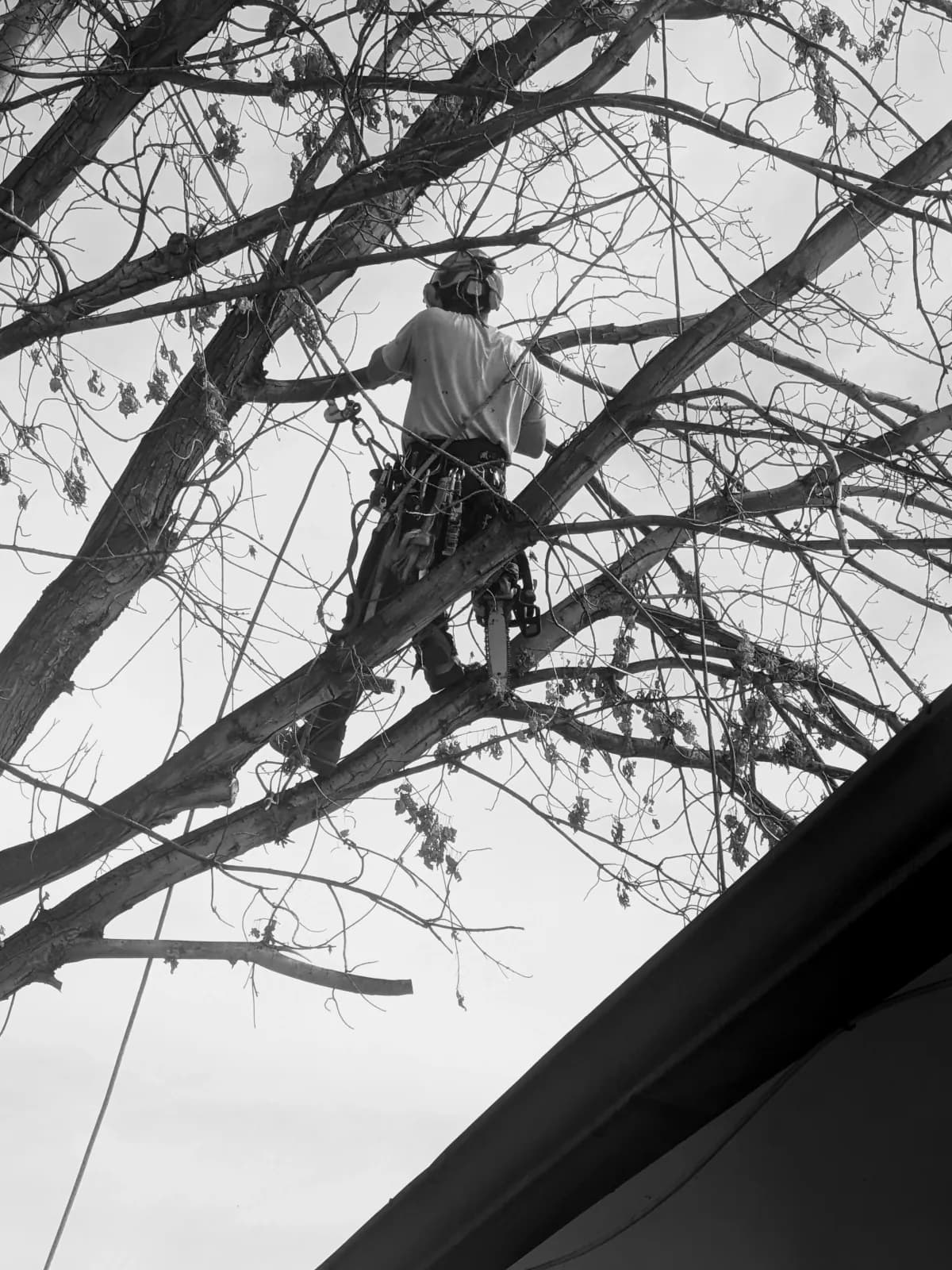
7 Signs Your Tree May Need to Be Removed
Not every struggling tree needs to come down, but some warning signs point to real risk. Here are seven things to watch for.
Tree Trimming vs. Pruning: What's the Difference?
The terms overlap in everyday use, but the goals are different. Understanding the distinction helps you ask for the right work.
What to Do When a Storm Damages Your Tree
After a storm, the first priority is safety. Here is a calm, step-by-step way to handle a damaged tree without making things worse.
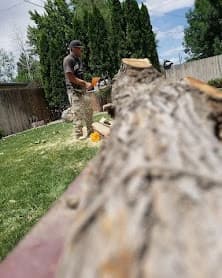
Stump Grinding vs. Stump Removal: Which Is Right for You?
Grinding and full removal solve the same problem in different ways. The right choice depends on what you plan to do with the space.
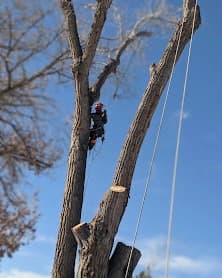
Fire Mitigation and Defensible Space: A Homeowner's Guide
Defensible space gives your home a fighting chance in a wildfire. Here is what the work involves and why it matters.
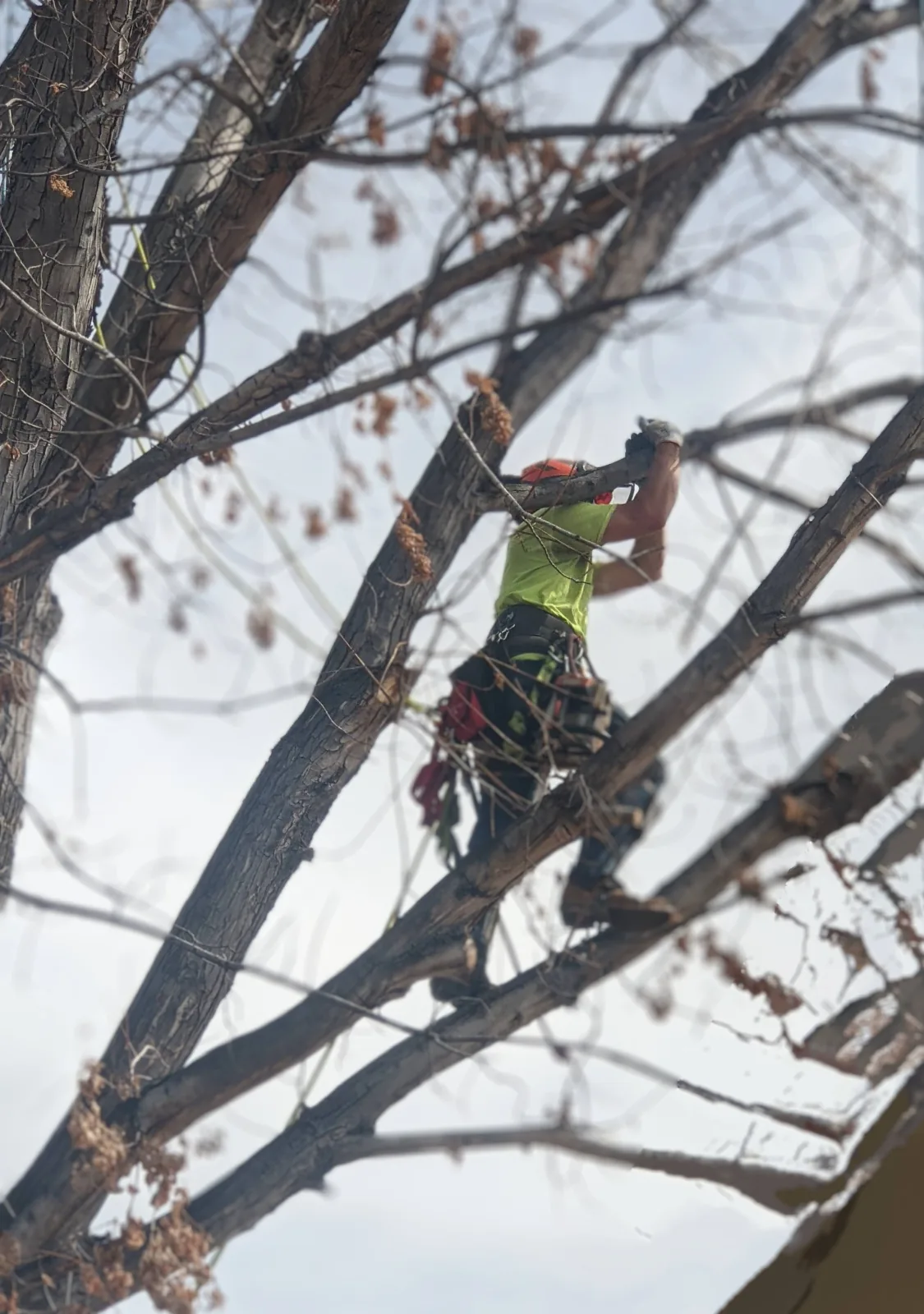
When Is the Best Time to Prune Trees in Colorado?
Dead and hazardous limbs can come off anytime, but for most structural pruning, timing helps the tree respond well.
How to Use These Articles
Start with the article that matches the problem you can see. If a tree is leaning, cracked, hollow, dead in sections or repeatedly dropping limbs, the removal warning-sign guide is the best place to begin. If the tree is healthy but too close to a roof, driveway or walkway, the trimming and pruning article will help explain the difference between clearance work and structural pruning.
For storm damage, safety comes first. Keep people away from suspended limbs, split trunks and any tree that may involve electrical infrastructure. For stumps, the right choice depends on what you plan to do with the space after the tree is removed. For fire mitigation, the article explains fuel reduction as practical maintenance rather than a guarantee.
If an article raises questions about your own property, use the contact page to request a free estimate or call for urgent tree hazards. Include the tree location, visible condition, nearby structures and access details so the first conversation is grounded in the actual site.
Get a Free Tree Service Estimate
Tell us what is going on with your trees and we will set up a free estimate. For an active hazard, call and we will talk through next steps right away.