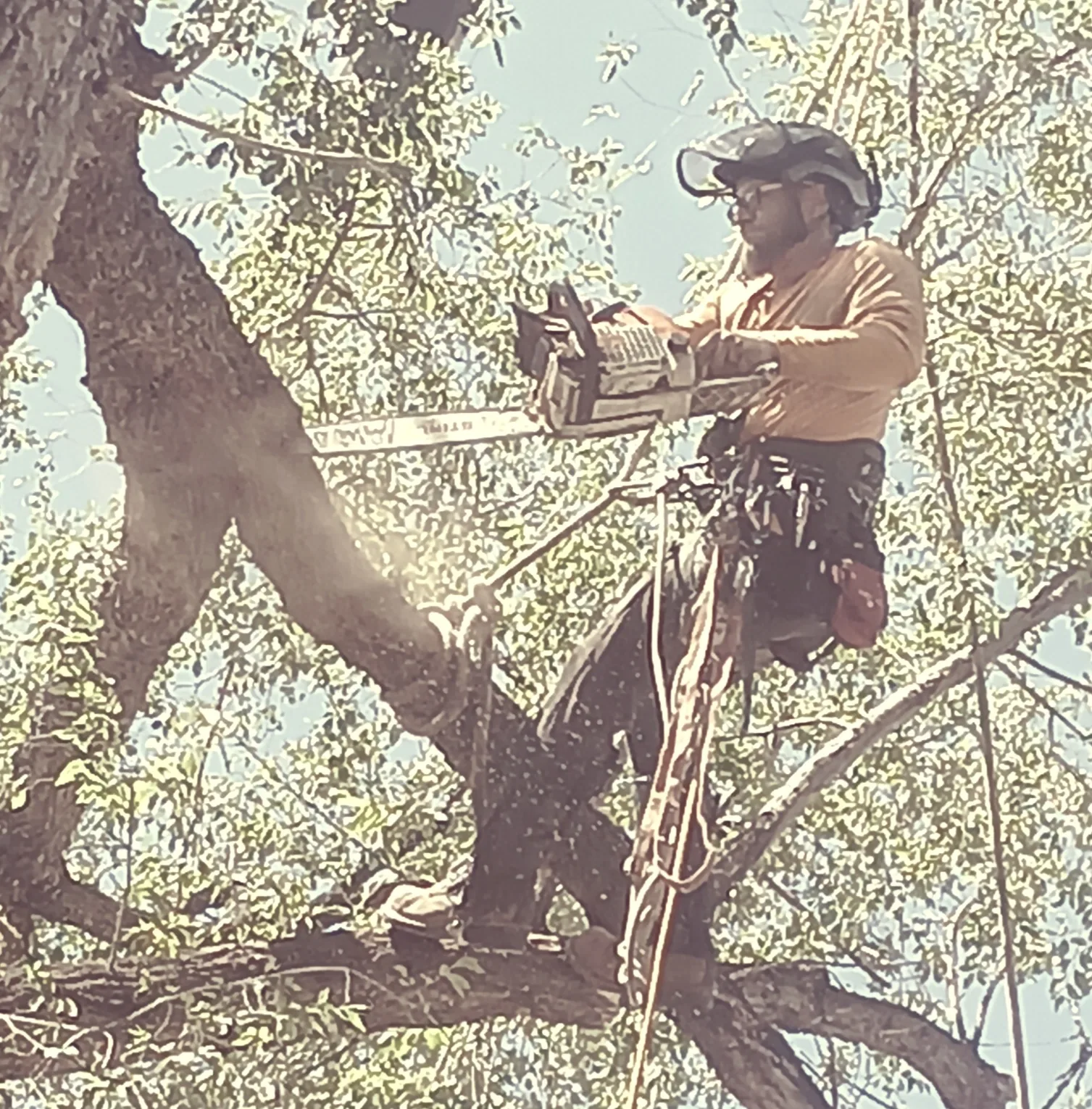
If you have ever called around for tree work, you have probably heard trimming and pruning used as if they mean the same thing. In casual conversation they mostly do, but there is a useful distinction that helps you get the result you actually want.
Understanding the difference makes it easier to describe your goals and understand the recommendations you receive.
What trimming usually means
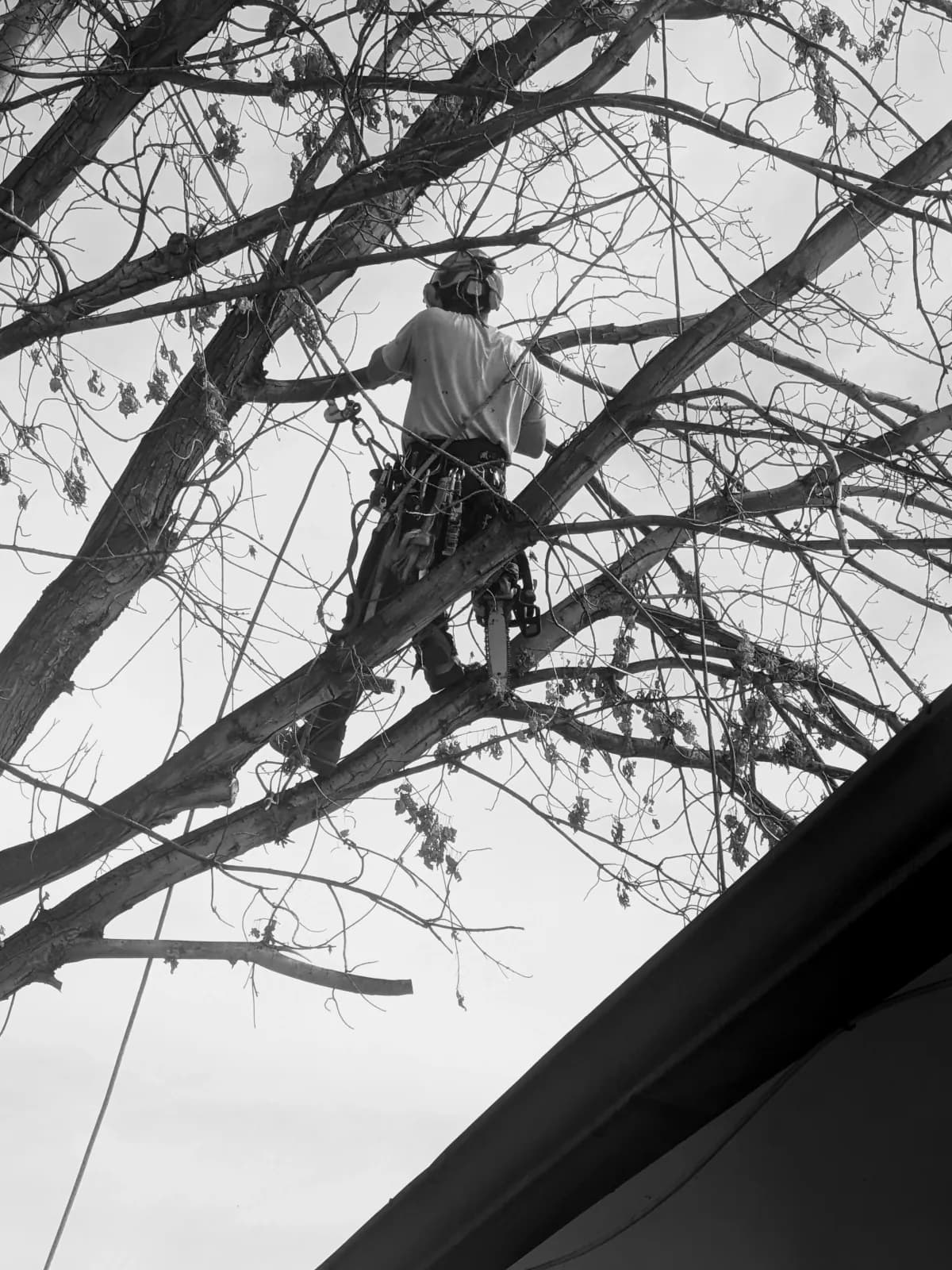
Trimming tends to focus on clearing and shaping. It is the work of cutting branches back from a roof, driveway, walkway or power line, tidying an overgrown canopy and keeping a tree from encroaching where it is not wanted. The primary goal is management of space and appearance.
What pruning usually means
Pruning is more focused on the long-term health and structure of the tree. It uses selective cuts to remove deadwood, improve branch structure, reduce weight on heavy limbs and set young trees up for strong future growth. Good pruning considers how the tree will respond over the seasons that follow.
Why the distinction matters
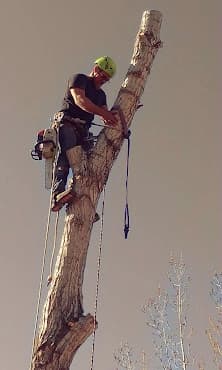
The distinction matters because the right cuts in the right places protect the tree, while poor cuts can cause lasting harm. Practices like topping, where large limbs are cut back to stubs, may look like aggressive trimming but damage the tree and create weak, hazardous regrowth. Proper reduction pruning achieves size control without that harm.
How to decide what you need
- If limbs are touching your house, blocking a driveway or crowding a power line corridor, you likely need trimming for clearance.
- If you want to keep a tree healthy, remove deadwood or improve its structure, that is pruning.
- If a tree is too large for its space, ask about reduction pruning rather than topping.
- For young trees, early structural pruning pays off for years by encouraging strong form.
The bottom line
Both trimming and pruning have their place, and many jobs involve a bit of each. The key is working with someone who understands how cuts affect the tree so the work solves your immediate problem without creating new ones. If you are unsure which your trees need, a quick assessment can point you in the right direction.
What to ask for at the estimate
The fastest way to avoid confusion is to describe the problem, not just the service name. Tell the crew if you want the canopy off the roof, clearance above a driveway, better structure in a young tree or a healthier form on an older tree. That helps the estimate focus on what the tree needs instead of forcing it into the wrong box.
If the tree has both clearance and health issues, say so. A branch can be too close to the house and poorly attached at the same time. In that case the work may involve both trimming and pruning. Clear communication up front usually produces a better result and a cleaner site plan.
How trimming and pruning change future growth
Trimming often changes where a tree will put energy next. When you shorten a branch for clearance, the tree may respond with new shoots near the cut. Pruning, on the other hand, is more selective and is usually aimed at guiding how the tree will grow over time. The difference is why the same cut can be a good fit in one situation and a poor fit in another.
That future response matters for homeowners because a poor cut can create a second round of work sooner than expected. Good trimming and pruning both try to solve the current problem while leaving the tree with enough structure to stay stable and attractive later.
When another service may be a better fit
If a tree is damaged, decayed or leaning in a way that suggests more than simple overcrowding, trimming may not be the right answer. A risk assessment can help sort out whether the issue is mainly structural. If the tree is too compromised, removal may be the more sensible recommendation. If the canopy is fine but the tree is planted in the wrong place, planting a better replacement may be part of the long-term plan.
For trees near utility lines, the situation can change quickly. Work inside the utility's restricted clearance area belongs with the utility, not with a routine trimming estimate. Outside that zone, a local tree crew can usually help with careful planning and safe access.